
Authorities on Koh Samui have filed criminal charges against a British woman accused of using Thai nominee shareholders to illegally operate a bar on the island. The move comes after investigators discovered more than 17.3 million baht (approximately USD 536,600) transferred into the woman’s personal bank accounts, which officials say indicates direct control of the business despite regulations prohibiting foreign ownership in certain sectors.
Surat Thani Immigration, working together with Bo Phut police, announced on Tuesday that they had moved forward with prosecutions against the 60-year-old woman, identified only as Maxine. She allegedly continued overseeing the bar even after her son, Ashton, previously linked to the business, had his visa revoked and was expelled from Thailand.
Pol. Col. Naruwat Phuttawiro, chief of Surat Thani Immigration, stated that the investigation was part of a broader national effort to suppress illegal business activities involving foreign nationals who exploit Thai citizens as nominee shareholders. Such practices, he said, harm the economy, distort fair competition, and reduce job opportunities for local workers.
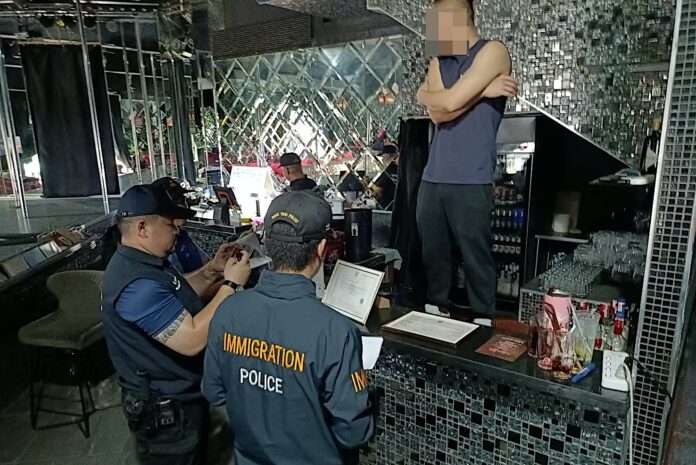
The business at the center of the case is Sin by Night Co., Ltd., a bar and restaurant located in Chaweng, a popular nightlife area in Koh Samui. Investigators conducted an inspection on November 24 and found that although Thai nationals were officially listed as majority shareholders — two women holding 25.5% each — the financial trail suggested the company was in reality funded, managed, and controlled by Maxine.
Authorities said the nominee structure appeared designed only to give the impression of compliance with Thai laws that restrict foreign control of certain business categories, including small bars and entertainment venues. The investigation found that funds used to operate the bar flowed directly from Maxine’s personal accounts, and that she allegedly made key operational decisions.
Officials emphasized that the crackdown reflects Thailand’s growing push to protect local industries from foreign interference. Naruwat noted that many foreign nationals attempt to circumvent the law by placing Thai citizens on company documents while exercising real control behind the scenes.
The case also highlights ongoing efforts to address concerns in tourism-driven provinces, where entertainment businesses have long been scrutinized for nominee arrangements. Koh Samui, Koh Phangan, and Koh Tao have all seen increased enforcement in recent years as authorities attempt to tighten oversight in areas popular with long-term foreign residents and international business operators.
If found guilty, Maxine could face fines, prison time, and potential deportation once legal proceedings conclude. Immigration officials added that more inspections are planned in the coming weeks as part of intensified efforts to uncover similar operations.
Authorities said the investigation remains ongoing, with additional witnesses and financial records being reviewed. The bar has not yet been ordered closed, but officials indicated further administrative or legal actions could follow depending on the results of the extended inquiry.
Let me know if you’d like a social media version, shorter summary, or SEO-optimized rewrite!