A fabricated video that appeared to show Jeffrey Epstein inside his prison cell during the final hours of his life briefly surfaced online before being removed from files hosted on a US Department of Justice website. The incident has raised fresh concerns about misinformation, digital manipulation, and the risks of misleading material appearing alongside official government documents.
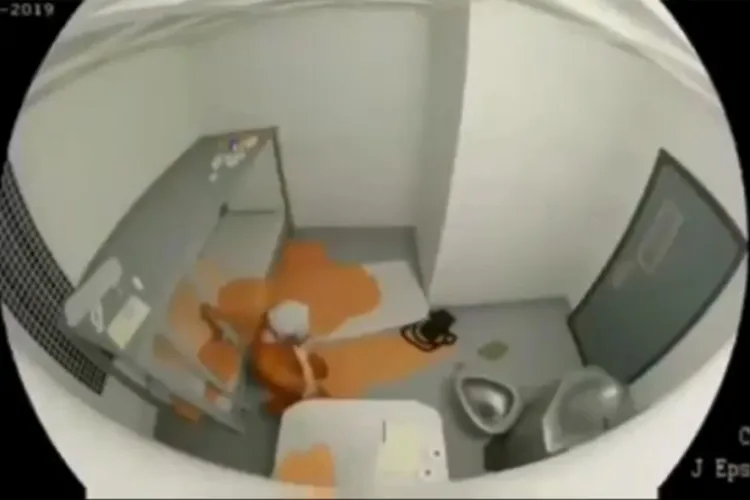
The 12-second clip emerged on Monday afternoon and was linked through a Justice.gov URL, appearing among other publicly released files. The video was time-stamped August 10, 2019, at 4:29 a.m. and seemed to depict Epstein inside a cell at the Metropolitan Correctional Center in New York. The footage was quickly circulated online before being taken down.
However, the video was later determined to be fake. Multiple inconsistencies immediately raised red flags when compared with official findings from the US Bureau of Prisons (BoP), which released a detailed report in June 2023 following an extensive internal investigation into procedural failures at the facility.
According to the BoP report, there was no video recording device inside Epstein’s cell on the night of his death. This directly contradicts the implication that the footage could be authentic. In addition, the report clarified that Epstein was not under heightened monitoring conditions at the time, which conflicts with visual elements shown in the video.
Visual analysis further undermined the clip’s credibility. The layout of the cell door does not match publicly released images of Epstein’s actual cell. Experts and observers also noted that parts of the footage lacked realistic depth, appearing more like computer-generated imagery than real surveillance video. Certain shapes and textures in the frame appeared flat and artificial, inconsistent with genuine camera footage.
The brief appearance of the video on an official-looking government platform added to the confusion and fueled speculation online before the clip was removed. As of publication, the Department of Justice had not issued a public explanation regarding how the video appeared among its files or how long it was accessible before being taken down.
The incident highlights the growing challenge institutions face in preventing manipulated or misleading digital content from spreading, especially when it appears to be associated with trusted sources. Even short-lived exposure can contribute to misinformation, conspiracy theories, and public distrust.
Experts warn that advances in video editing and artificial intelligence have made it increasingly easy to create convincing but false footage. When such material is linked, even briefly, to official platforms, it can gain undue credibility and spread rapidly before corrections are issued.
The Department of Justice has not commented publicly on the incident, but the episode underscores the importance of rigorous digital security, verification processes, and clear communication when false content emerges. As misinformation becomes more sophisticated, transparency and prompt clarification remain critical to maintaining public confidence in official records and institutions.