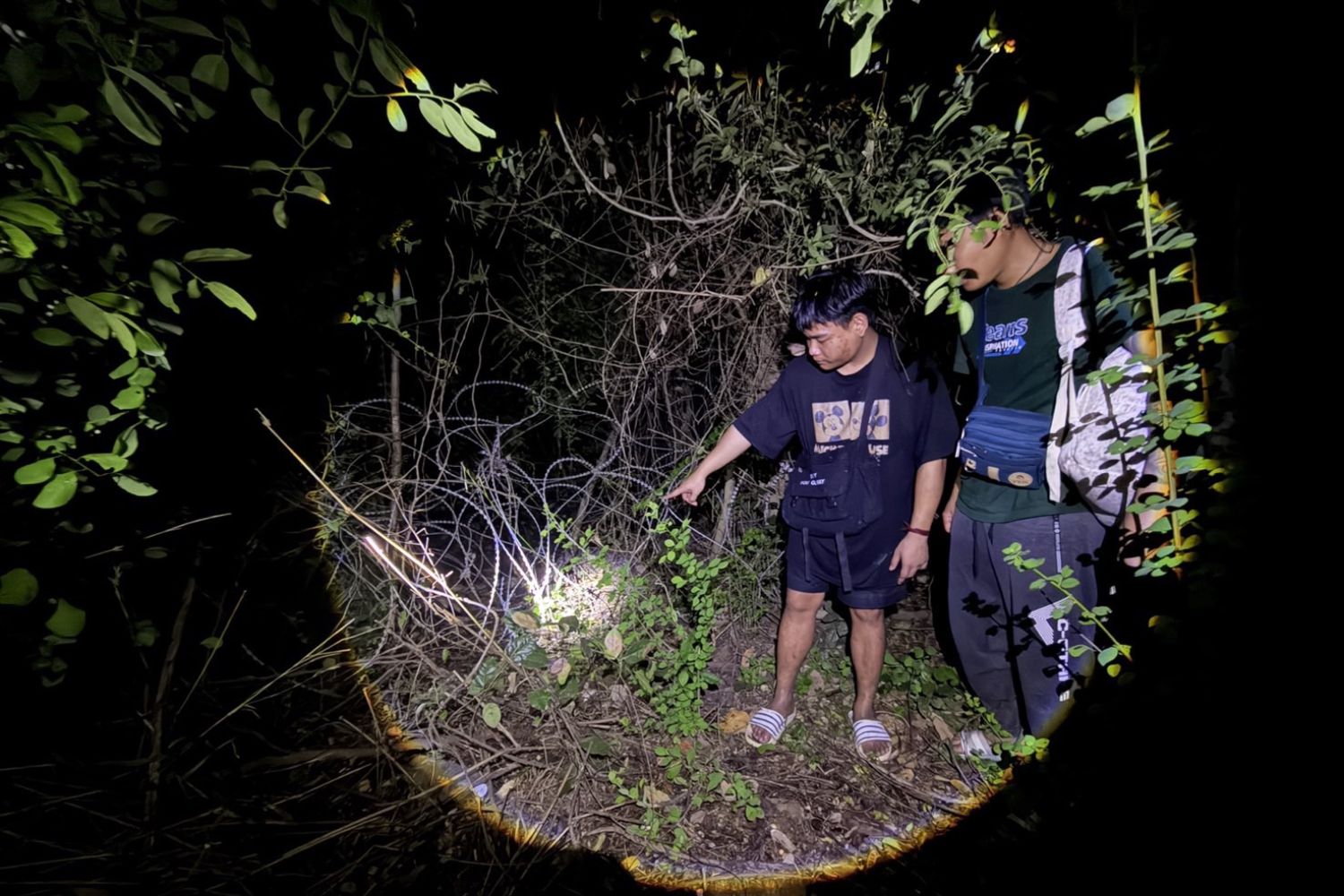
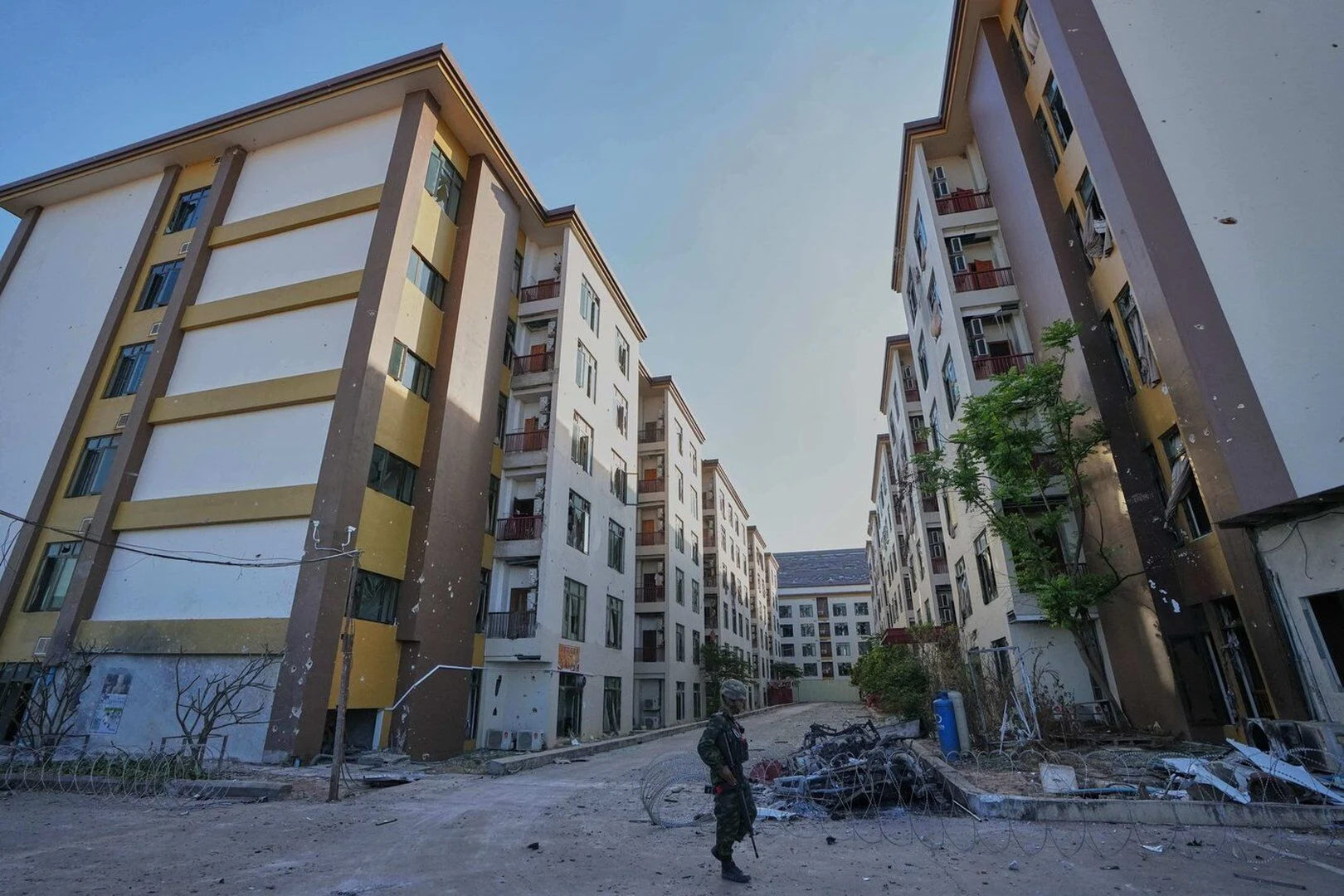
Dozens of suspected scam compounds in Cambodia are still operating despite months of enforcement efforts, according to a new report by Amnesty International.
The UK-based human rights organisation said that of 86 suspected scam sites it identified across the country, authorities had intervened in only 24. The findings were published in a detailed 176-page report released on June 8, raising concerns about the effectiveness of the government’s crackdown on cybercrime networks.
Amnesty International alleged that many of the interventions carried out by authorities were reactive and often ineffective. In some cases, the report claimed, enforcement efforts were undermined by apparent collusion between local police and compound operators. Survivors interviewed by researchers said they were moved between locations during crackdowns, allowing operations to continue while avoiding detection.
The Cambodian government strongly rejected the report’s conclusions. In an official statement, senior minister Chhay Sinarith defended the country’s efforts, stating that Cambodia does not accept the implication it has failed to act against online scam operations. He described the report as “selective” and lacking a full understanding of the situation on the ground.
Authorities emphasised that enforcement actions have been ongoing nationwide, including coordinated police raids, arrests, asset seizures, and the dismantling of criminal compounds in multiple provinces. According to the government, nearly 1,500 suspects from 19 countries have been charged in connection with scam operations.
Southeast Asia has become a global hotspot for cyber fraud in recent years, with large-scale scam compounds operating in countries such as Cambodia, Laos, the Philippines, and along the Myanmar-Thai border. These facilities are often linked to organised criminal groups, many reportedly run by Chinese syndicates.
The compounds are believed to house tens of thousands of workers, many of whom are trafficked into the operations under false job promises. Amnesty International reported that individuals are often held against their will and subjected to harsh conditions, including physical abuse and exploitation.
In its research, Amnesty said it interviewed 73 individuals who had been held in such compounds. All reported experiencing or witnessing abuse, with some describing severe violence. Six women interviewed alleged they had been subjected to sexual assault during their captivity.
The organisation also criticised authorities for how they handle those who escape or are rescued from scam compounds. According to the report, many victims are treated as immigration offenders rather than as victims of human trafficking, limiting access to support and protection.
Cambodian officials countered that tackling these criminal networks is complex due to their transnational nature. They noted that such operations are highly adaptable and deliberately structured to evade law enforcement.
International pressure has also mounted on governments in the region to address the issue. The United States has estimated that Americans alone lost around US$10 billion to Southeast Asian scam operations in 2024, underscoring the global scale of the problem.
While Cambodia maintains that significant progress has been made, including the revocation of 25 casino licences linked to scams and the deportation of nearly 19,000 foreigners, Amnesty International argues that critical gaps remain.
The report concludes that more comprehensive action is needed, particularly in shutting down major compounds and ensuring proper protection for victims, as cyber fraud networks continue to expand across the region.